In focus

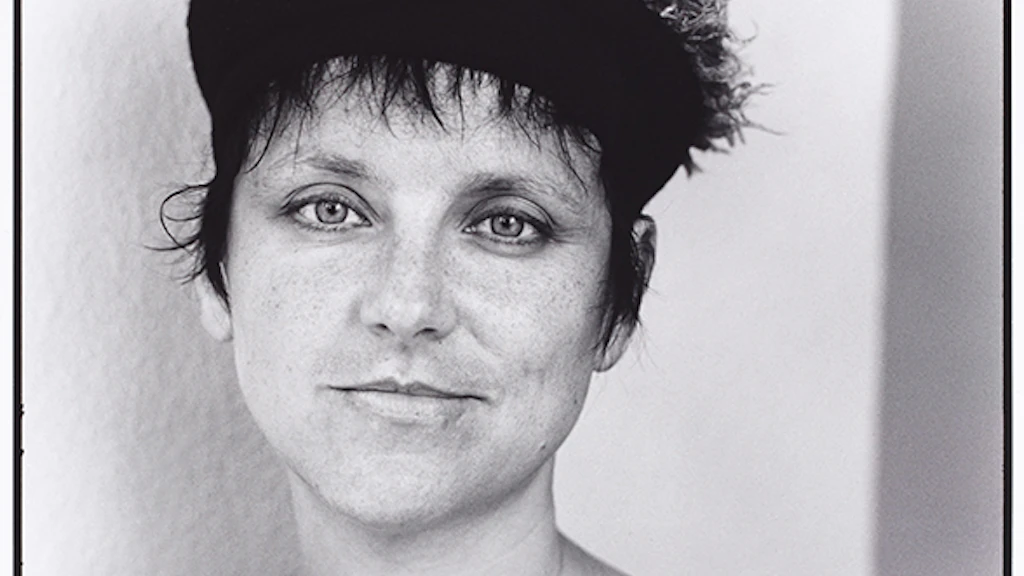
Aglaja Veteranyi in the SLA

Aglaja Veteranyi (1962–2002) was a writer, playwright, actor and performer. Her debut novel, “Why the Child is Cooking in the Polenta”, deals with the nomadic and unsettled life of her circus performer family. Her extensive estate documents her multifaceted work.

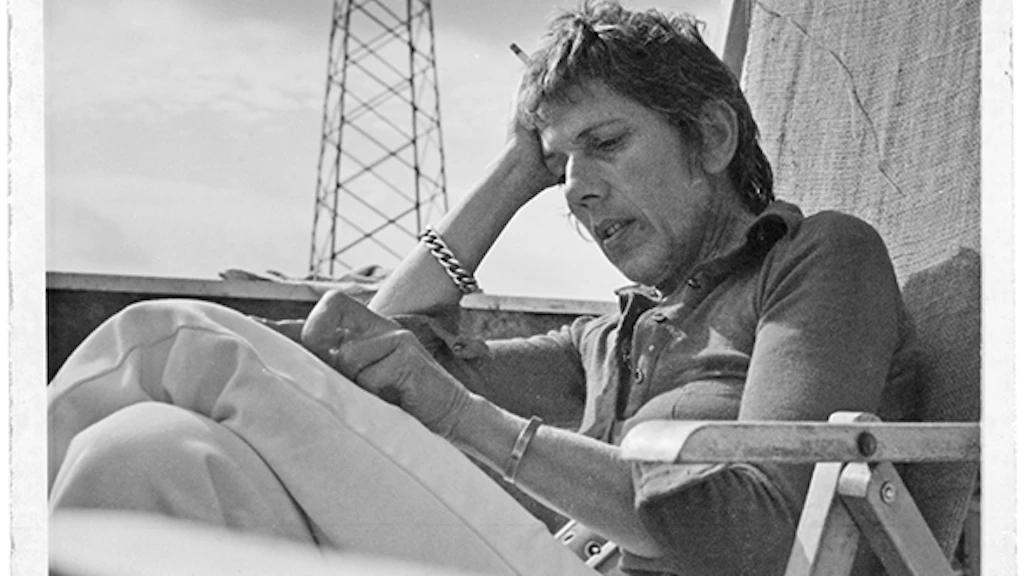
Agota Kristof in the SLA

Agota Kristof (1935–2011) was born in Hungary and came to Switzerland in 1956. Initially a playwright and poet, she made her name between 1986 and 1991 with the publication of the “Trilogie des jumeaux”.

Alice Ceresa in the SLA

Alice Ceresa was an Italian-speaking Swiss author who lived in Rome. Her estate is held in the Swiss Literary Archives.

15 February 2023

Andri Peer a l’ASL
Andri Peer (1921–1985) è stat in scriptur activ sin blers champs da la litteratura: sco impurtant innovatur da la poesia rumantscha ha el publitgà er raquints e gieus auditivs en rumantsch e tudestg. Empli vegniva el apprezià sco critic e mediatur cultural.

Anna Felder in the SLA

Winner of the Swiss Grand Award for Literature in 2018, Anna Felder is a major author whose works are regularly studied and analysed by literary critics.

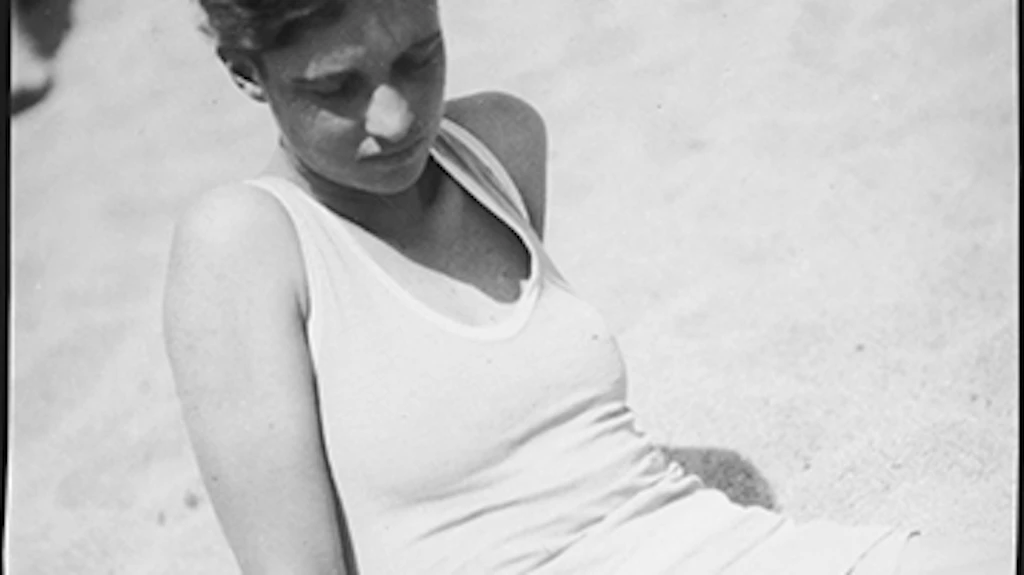
Half-length portrait of Annemarie Schwarzenbach sitting on the beach

Annemarie Schwarzenbach in the SLA

Swiss writer, journalist and photographer Annemarie Schwarzenbach (1908–1942) left an extensive collection of important photographs in addition to her literary work.

Blaise Cendrars in the SLA

Blaise Cendrars (1887−1961) was born in La Chaux-de-Fonds. Granted French citizenship in recognition of his having volunteered in the First World War, he is the author of a diverse oeuvre: poetry, novels, journalism and “memoirs that aren’t memoirs”.

Carl Spitteler in the SLA

Carl Spitteler (1845–1924), Swiss writer and winner of the Nobel Prize in Literature 1919. Known for his verse epic “Olympian Spring” and for his “Unser Schweizer Standpunkt” speech in favour of neutrality on the outbreak of the First World War.

Portrait of Christoph Geiser

Christoph Geiser in the SLA

Author Christoph Geiser rose to fame thanks to his acclaimed family sagas “Grünsee” and “Brachland” as well as his novels focusing on the artists Caravaggio and Marquis de Sade. Geiser’s literary work is held in the Swiss Literary Archives.

Cla Biert a l’ASL

Cla Biert è stà in trubadur e narratur rumantsch. El ha publitgà numerus raquints ed il roman «La müdada». Dapi il 1992 vegn ses relasch conservà en l’Archiv svizzer da litteratura.

Portrait of Donata Berra

Donata Berra in the SLA

Donata Berra (1947) is a poet, translator and lecturer. The papers in her literary archive testify to the genesis of her poetry and literary translations, as well as their reviews and extensive correspondence with other authors.

Erika Burkart in the SLA

Erika Burkart (1922−2010) is one of the most important poets to have written in the German language. In addition to numerous volumes of poetry, she also published a number of works in prose. Her visual idiom draws heavily on nature.

Portrait of Eugen Gomringer leaning over a table with a typewriter, holding a sheet of artwork in his hand and looking at the camera.

Eugen Gomringer in the SLA

Eugen Gomringer was one of the most important Swiss poets of the 20th century. With his concrete poetry, which he developed both practically and theoretically in the 1950s, he brought about a lasting modernization of post-war poetry.

Eveline Hasler smiling thoughtfully.

Eveline Hasler in the SLA

Eveline Hasler (b. 1933) writes books for adults and children. Her material is based on historical research and her characters are psychologically rounded. Her biographies deal chiefly with outsiders in Swiss and European history.

Franco Beltrametti in the SLA

Franco Beltrametti is considered one of the most important Swiss authors of the “Beat Generation”. His estate in the Swiss Literary Archives is an important resource for studies into alternative cultural movements internationally.

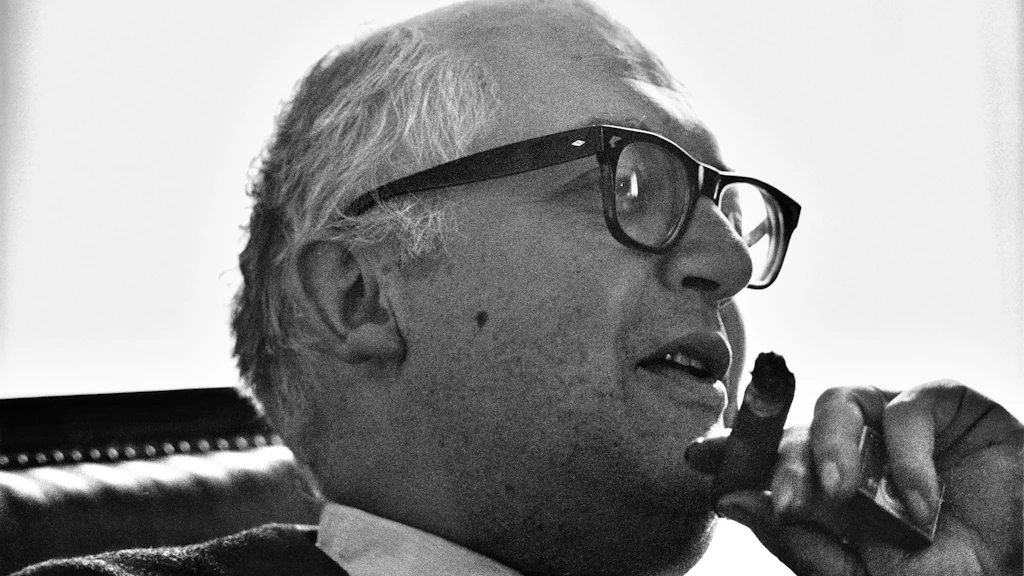
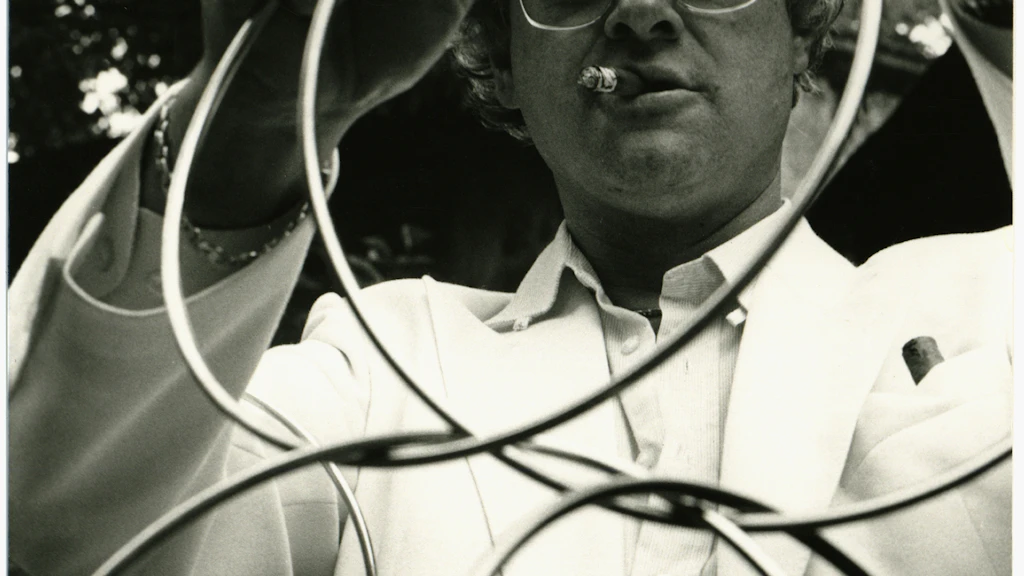
The writer Friedrich Dürrenmatt in 1961 smoking a cigar.

Friedrich Dürrenmatt in the SLA

Friedrich Dürrenmatt (1921–1990) was an internationally successful dramatist and writer of crime novels. Late in his life he produced the major autobiographical work “Stoffe”. His pictorial works did not become widely known until after his death.

Georges Borgeaud in the SLA

Georges Borgeaud (1914–1998) settled in France in 1946, having previously worked as a private tutor and bookseller in Switzerland and Belgium. He is the author of novels (“Le Voyage à l’étranger”) as well as numerous articles and chronicles on painting.

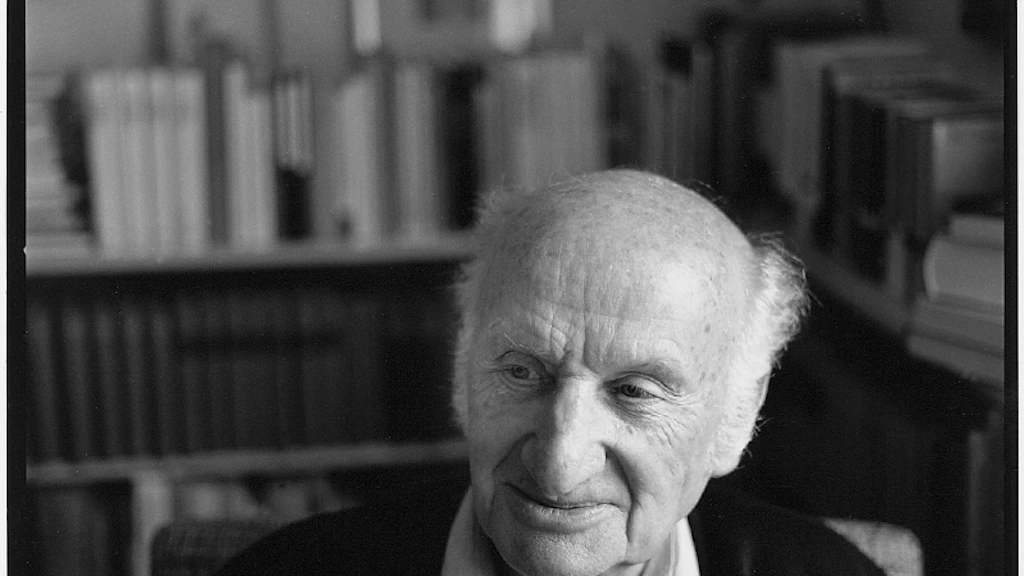
Gerhard Meier in his study in Niederbipp, with bookshelves in the background

Gerhard Meier in the SLA

The work of Gerhard Meier (1917−2008) is characterised by the meticulous observation of life in the village he called Amrain, which becomes a world in its own right. Two friends, Baur and Bindschädler, conduct a dialogue that ranges across nature, religion, art, literature and music.

Giovanni Orelli in the SLA

Giovanni Orelli (1928–2016) was a writer working in multiple formats, including prose, poetry and radio plays, who was also a prominent critic, editor and intellectual.

Golo Mann in the SLA

Golo Mann was a German-Swiss historian and writer. His principal works are the "Deutsche Geschichte des 19. Jahrhunderts" and the literary biography "Wallenstein". His estate is held in the Swiss Literary Archives.

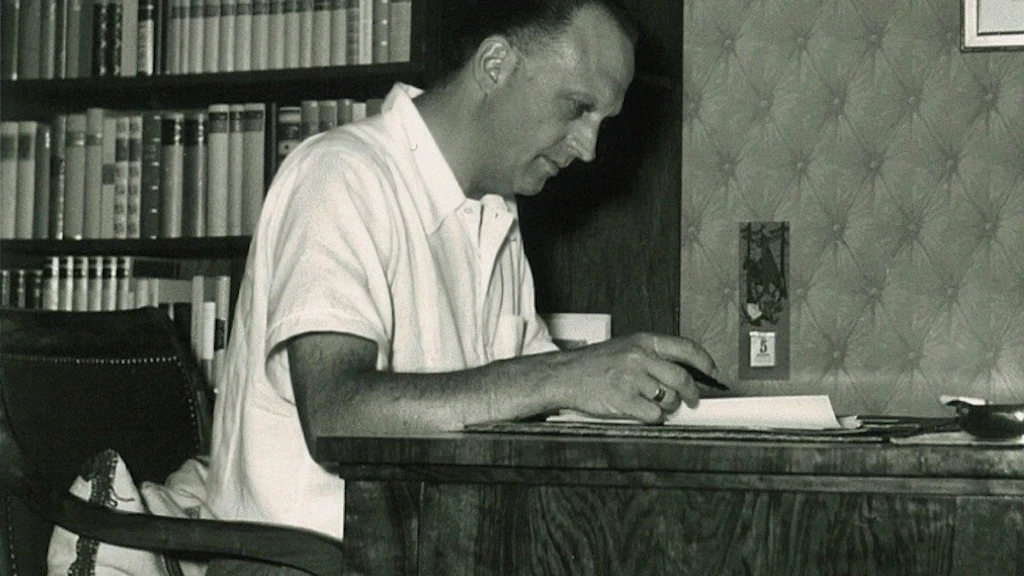
Hans Walter at his writing desk in Buchillon, with bookshelves in the background

Hans Walter in the SLA

Hans Walter (1912−1992) is an unjustly forgotten voice of 20th-century Swiss literature in German. His stories, in particular, describe tragedies that mostly occur unnoticed, and in which he exposes the illusions and routines of self-deception that often give people something to hold on to in everyday life.

Portrait of Hansjörg Schertenleib

Hansjörg Schertenleib in the SLA

Hansjörg Schertenleib is one of Switzerland’s most prolific and successful German-language writers. He is best known for the novels “Das Zimmer der Signora”, “Das Regenorchester”, “Jawaka” and “Palast der Stille”.

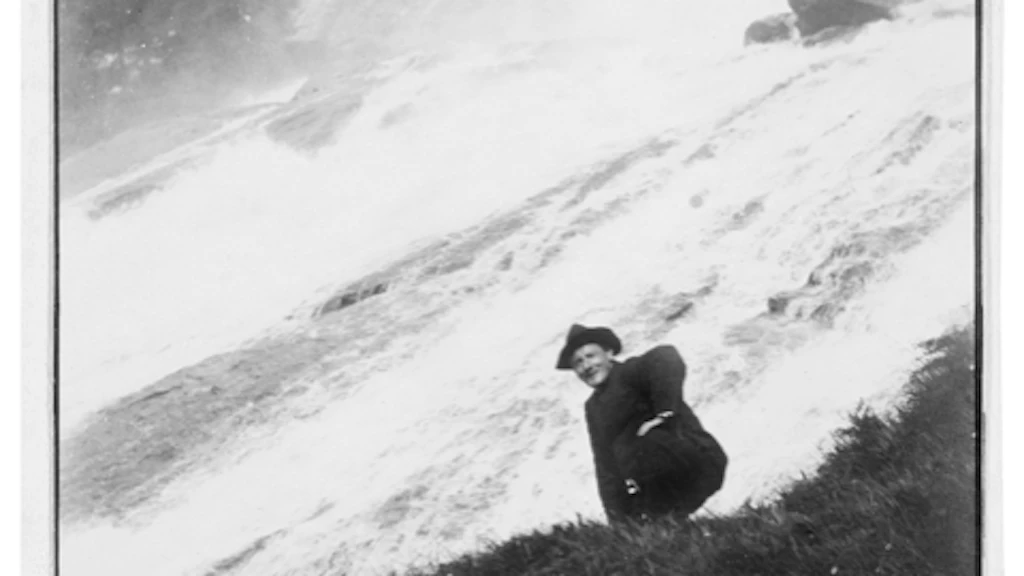
Heinrich Federer at the Toce Falls in Piemonte

Heinrich Federer in the SLA

The work of Heinrich Federer (1866−1928) centres around the depiction of rural life in Switzerland, with an additional focus on Italy. It is imbued with a love of the simple, natural life and a strong social conscience.

Porträt Hermann Burger

Hermann Burger in the SLA

Hermann Burger (1942–89) was a Swiss writer. His most important works include “Schilten” and “Die künstliche Mutter”. His estate is held in the Swiss Literary Archives.

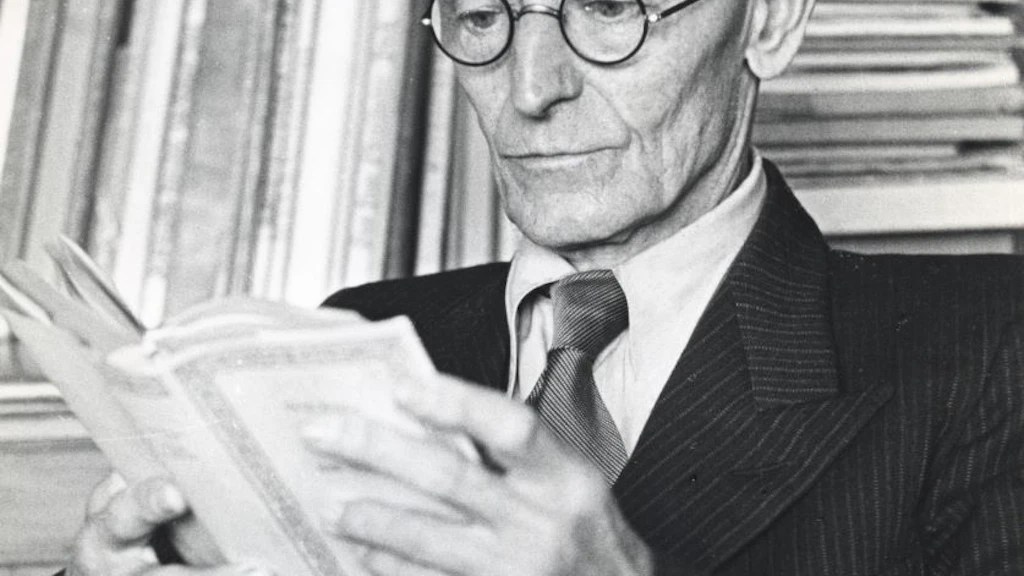
Hermann Hesse in front of a bookshelf, deep in thought and immersed in a book.

Hermann Hesse in the SLA

Hermann Hesse’s novels such as «Demian» are considered classics of world literature. The Swiss Literary Archives hold a much-used part of the estate of this great poet, who spent half of his life in Ticino.

Hugo Loetscher im SLA

Hugo Loetscher (1929–2009) war als Schriftsteller mit Romanen wie «Abwässer» und «Der Immune» ebenso bekannt wie als polyglotter Essayist, weniger hingegen als promovierter politischer Philosoph.

Bollack Family, Photo: Swiss National Library, Simon Schmid

Jean Bollack in the SLA

A philologist, philosopher and critic born in Alsace of Jewish heritage, Jean Bollack was a scholar of the philosophers, Greek tragedy, and German and French literature.

Jean Starobinski in the SLA

Jean Starobinski (1920−2019) is the author of an internationally renowned body of work in the fields of criticism and metacriticism. His literary estate, comprising an extensive library, is held in the Swiss Literary Archives.

Porträt von Mani Matter, der auf einer Bühne Gitarre spielt und singt

Mani Matter in the SLA

Mani Matter (1936−72) was one of Switzerland's best-known singer-songwriters. He composed songs that combine simple, folk-style melodies with multi-layered and humorous lyrics that cast a critical eye on various topics.

11 January 2021

Maria Waser in the SLA

Maria Waser (1878−1939) is one of the most important poets to have written in the German language. In addition to numerous volumes of verse, she also published a number of works in prose. Her visual idiom draws heavily on nature.

Black-and-white portrait of Maurice Chappaz.

Maurice Chappaz in the SLA

Maurice Chappaz (1916−2009) is a key figure in the literature of French-speaking Switzerland, and was one half of a famous writing couple with S. Corinna Bille. The author of “Portrait des Valaisans” and “Maquereaux des cimes blanches” donated his archives to the Swiss National Library in 1981.

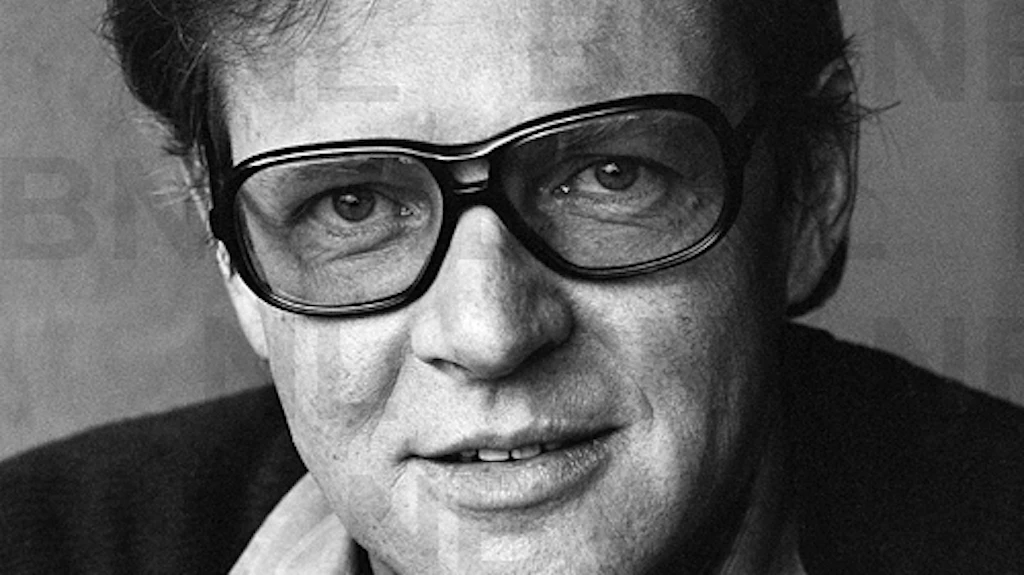
Portrait of Otto F. Walter wearing glasses, a dark pullover and a light-coloured shirt

Otto F. Walter in the SLA

Otto F. Walter (1928−1994) is one of the leading Swiss prose writers from the second half of the 20th century. His work deals with social and political issues related to Switzerland.

Patricia Highsmith in the SLA

The American writer Patricia Highsmith died in Locarno on 4 February 1995. Her literary estate is held in the Swiss Literary Archives.

Peider Lansel a l’ASL

Peider Lansel è stà in poet rumantsch, in editur e politicher da cultura decisiv. El è s’engaschà per la cultura e per la legitimaziun dal rumantsch sco quarta lingua naziunala.

Remo Fasani in the SLA

Remo Fasani (1922–2011) was a poet, critic and university professor. Prominent among his literary works are studies and poems in which Fasani addresses sensitive issues including exile, solitude and the environment.

Rolf Hochhuth in the SLA

Der deutsche Schriftstellers Rolf Hochhuth, der mit seinem Erstlingsdrama «Der Stellvertreter» (1963) international bekannt wurde, ist am 13. Mai 2020 89-jährig in Berlin gestorben.

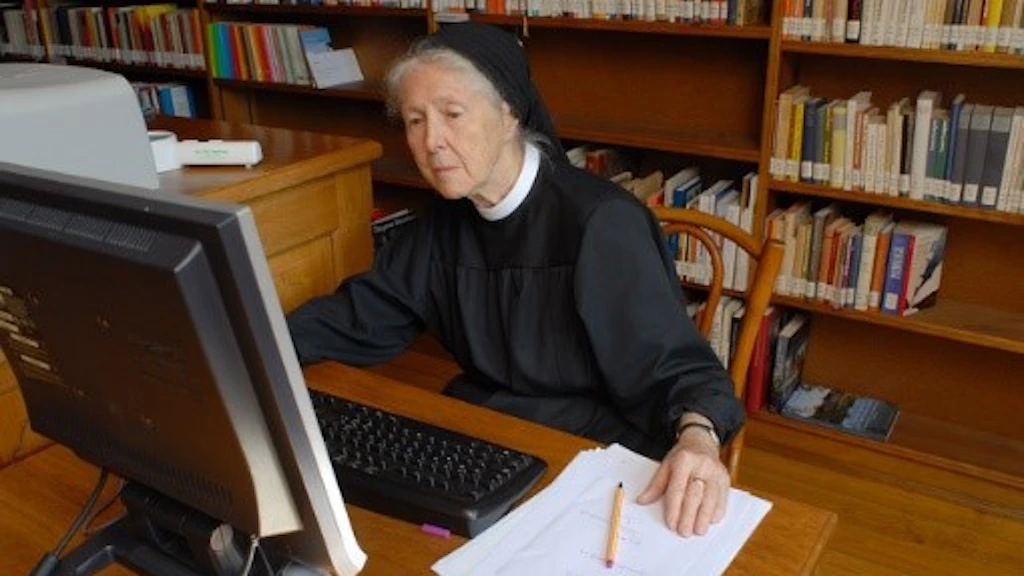
Silja Walter working at the computer in her study

Silja Walter in the SLA

Silja Walter (1919−2011) lived as a nun in the Benedictine convent of Fahr. Her writings revolve around her engagement with the Rule of St. Benedict, faith and the nun’s relationship to God.

Ulrich Becher in the SLA

Ulrich Becher was a German playwright and novelist. His most famous work is the exile novel «Murmeljagd». Part of his estate is held in the Swiss Literary Archives.

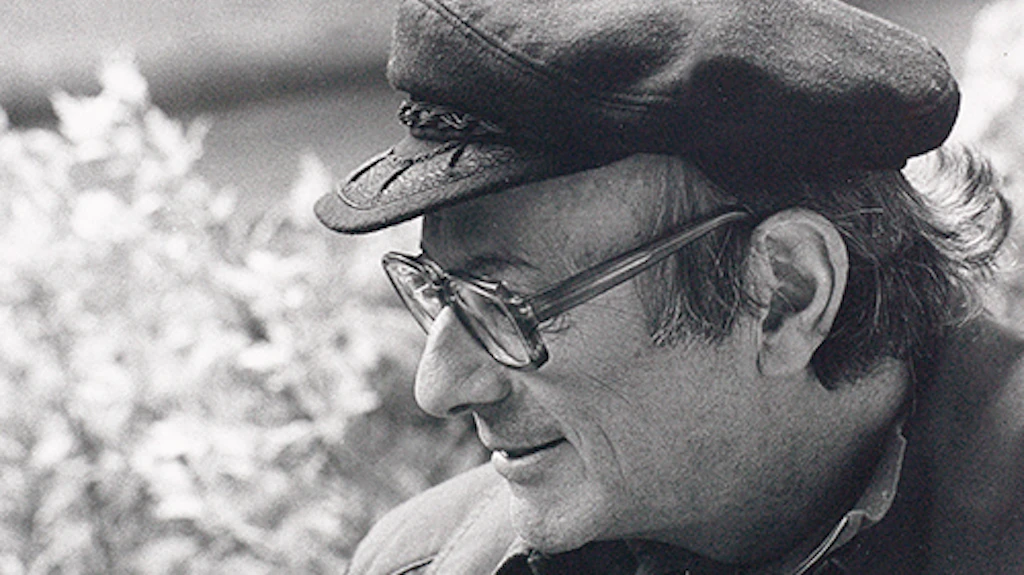
Walter Vogt wearing a peaked cap and looking downwards to the left, smiling, with a blossoming bush in the background.

Walter Vogt in the SLA

Walter Vogt (1927−1988) is a leading voice of Swiss literature in German during the second half of the 20th century. The sufferings of the individual constrained by society’s norms and the blind raging of the powerful run like a thread throughout his work.