

Introduction
Swiss poster design enjoys an outstanding reputation internationally, and Switzerland has played a key role in the history of the poster since the start of the 20th century
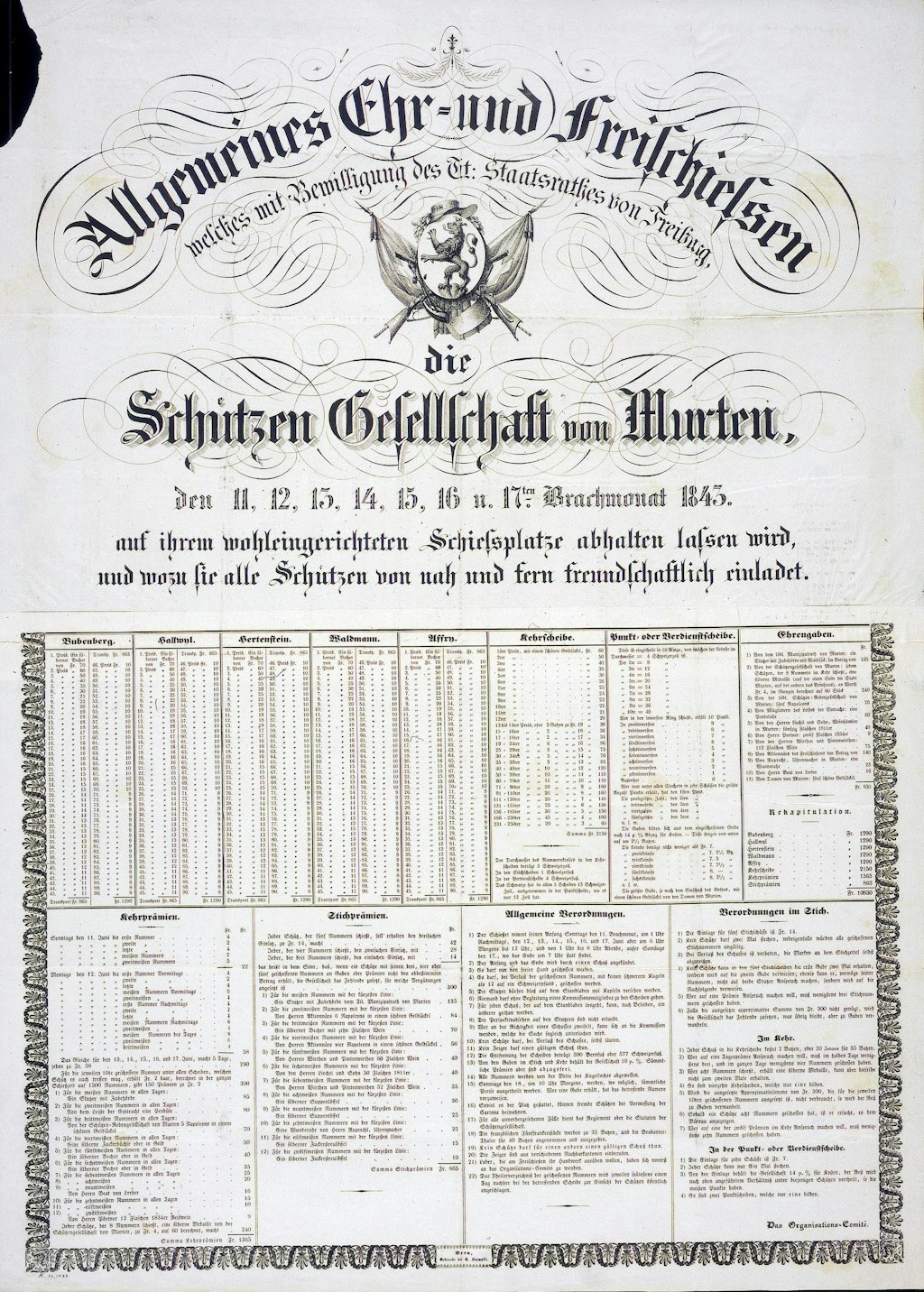
For a long time, the poster was the only medium that could reach and inform the general public. It emerged through the invention of printing as a highly visible form of notice in prominent locations. The poster as we know it today took shape in the 19th century as the upheaval of the industrial revolution, rapid growth in tourism and the advent of lithography gave rise to simple, colourful motifs printed on large-format paper
The rise of mass production
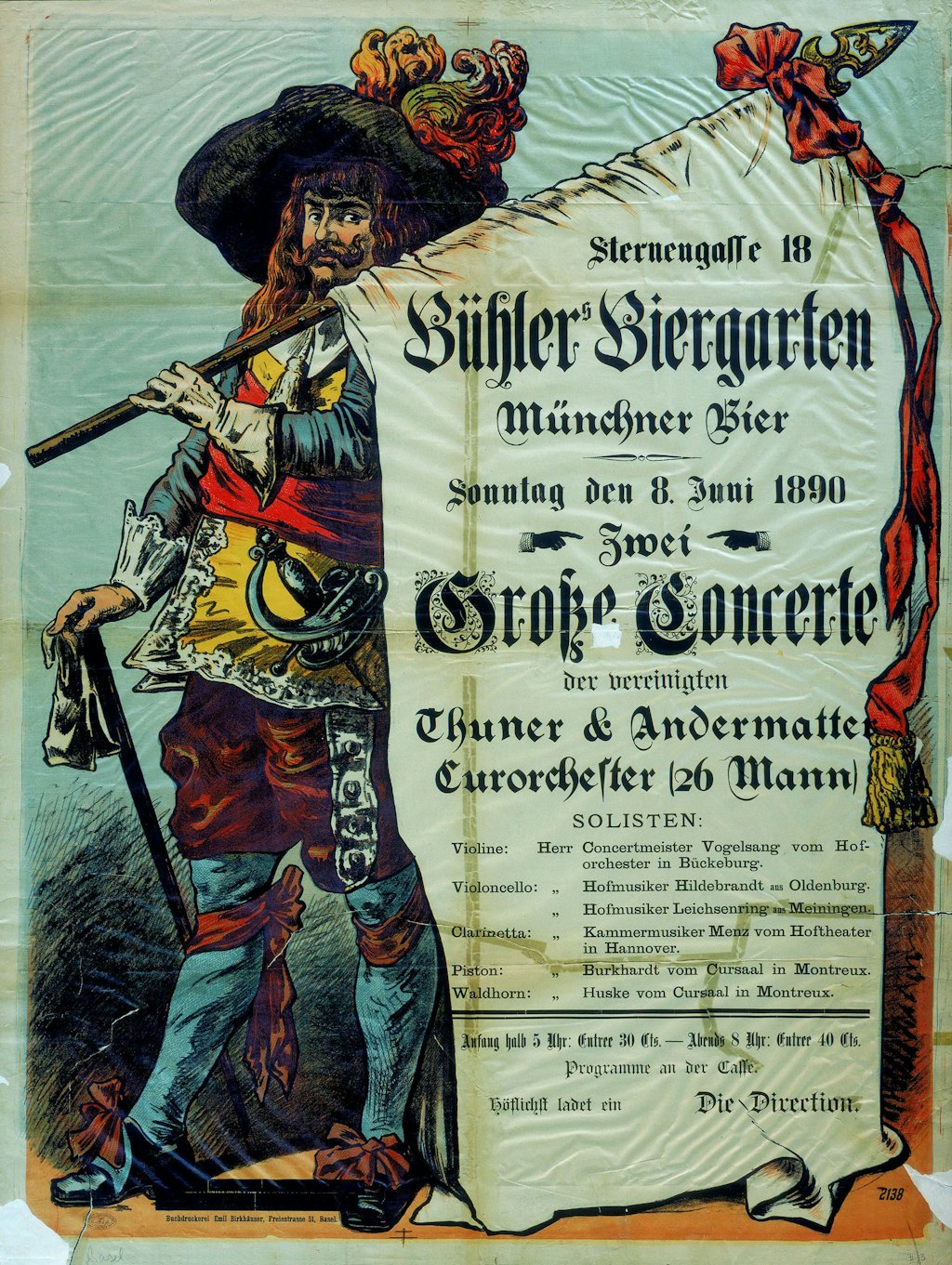
Countless commercial and industrial businesses used posters to attract attention to themselves and their products, while theatres, circuses, railways and resorts also sought to draw customers in. So many posters were put up on city walls that they ended up obscuring each other. This prompted designers to experiment with new typefaces and more eye-catching imagery in an effort to stand out. At the same time, new forms of illustration achieved the greatest promotional impact on posters.
From a written medium to a visual one
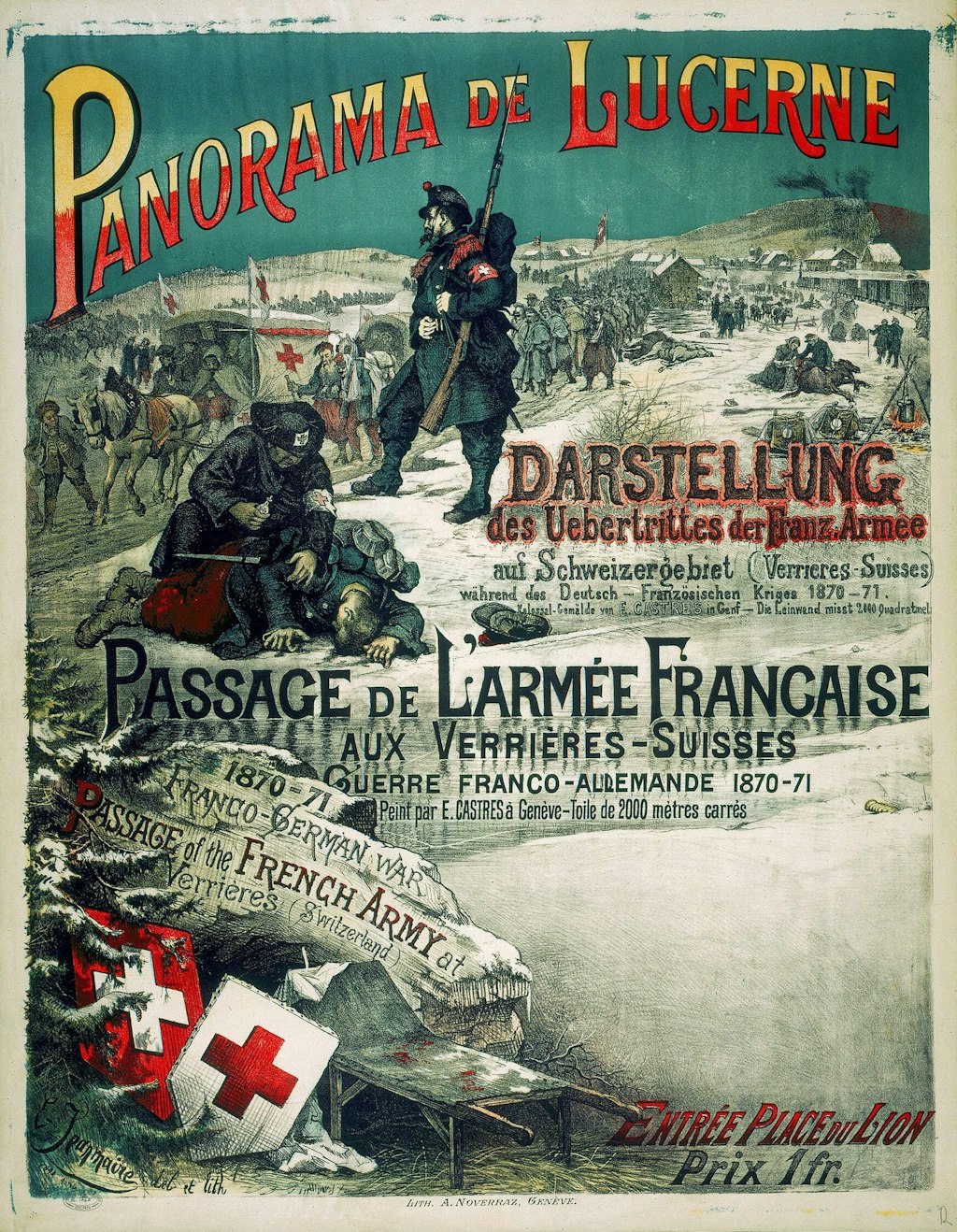
Early forms of poster were still heavily influenced by conventional book design, dominated by text and intended to be read from up close. Before long, however, customers and designers alike realised that pictures were needed to complement the text so that passers-by would take notice. Thus began the poster’s swift evolution, helped by the greater scope offered by colour lithography, from a written medium to a visual one.
Swiss National Library
Monbijoustrasse 74
3003 Bern